
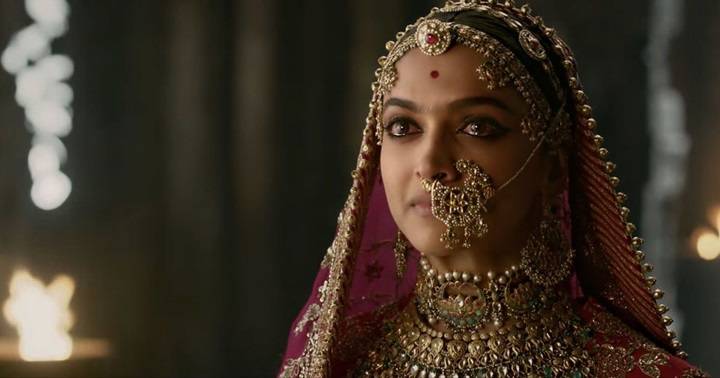
The tale of Rani Padmavati, also known as Padmini, is one of the most captivating and controversial legends in Indian folklore. Popularized by poems, ballads, and more recently, Sanjay Leela Bhansali’s 2018 film Padmaavat, her story evokes themes of honor, sacrifice, love, and valor. But the central question remains: Is Rani Padmavati a real story? This article delves into the origin of the Padmavati legend, its historical context, and whether the queen was a real historical figure or a fictional symbol of Rajput pride.
The Story of Padmavati: As Told Through Tradition
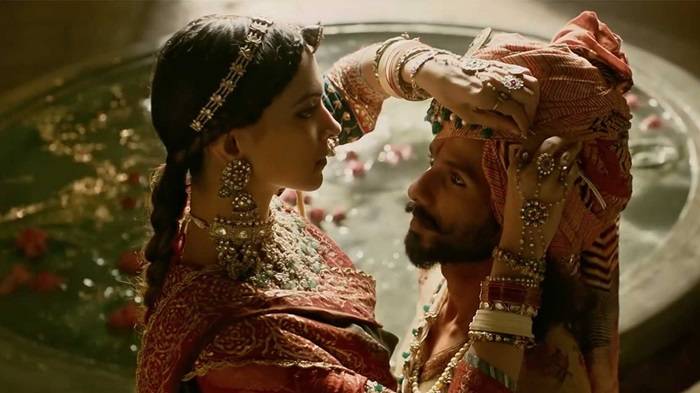
The Most Popular Narrative
According to the most widely accepted version, Rani Padmavati was a beautiful and intelligent queen of Chittorgarh, married to Raja Ratan Singh. Her unmatched beauty caught the attention of Alauddin Khilji, the Sultan of Delhi, who waged war against Chittor to capture her. When the fort was besieged and defeat was certain, Padmavati and other Rajput women are said to have committed jauhar (ritual self-immolation) to avoid capture and dishonor.
The Poetic Source: Padmavat
This tale originates primarily from Malik Muhammad Jayasi’s epic poem Padmavat, written in 1540 CE in the Awadhi language. The poem blends romanticism, Sufism, and allegory, portraying Padmavati as an ideal of beauty and virtue. It is not a historical record, but rather a literary work meant to convey moral and philosophical messages.
Was Rani Padmavati a Real Person?
No Concrete Historical Evidence
There is no verifiable historical evidence that Padmavati or Padmini ever existed as a real queen. Historians note that contemporary accounts of Alauddin Khilji’s siege of Chittorgarh in 1303 CE, including those by Persian chroniclers like Amir Khusrau, make no mention of Padmavati.
Jayasi’s Poem Came 200 Years Later
The Padmavat was written more than two centuries after Khilji’s conquest of Chittor. This temporal gap raises serious doubts about the historicity of Padmavati’s existence. Most scholars agree that she is a fictional character, constructed to embody Rajput ideals of honor and feminine sacrifice.
Why the Legend Endures
Symbol of Rajput Honor and Valor
For Rajputs, Padmavati has become a symbol of resistance and dignity, especially in the face of foreign invasions. Her choice to embrace death rather than dishonor is viewed as the ultimate act of defiance and loyalty.
Cultural and Emotional Appeal
The dramatic tale of beauty, war, and sacrifice continues to resonate due to its emotional depth and moral undertones. Over the centuries, it has been retold in various regional languages, folk songs, paintings, and eventually films.
Historical Context: The Siege of Chittorgarh
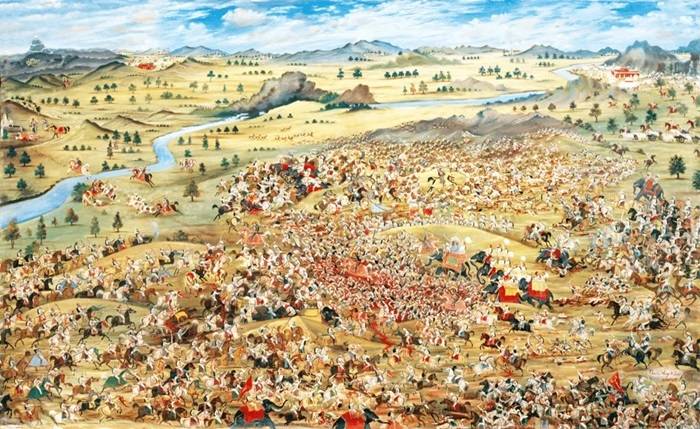
Alauddin Khilji’s Invasion
What is historically accurate is that Alauddin Khilji did besiege and conquer Chittorgarh in 1303 CE, defeating Raja Ratan Singh and claiming the fort for the Delhi Sultanate. His motives were likely strategic, aiming to expand his empire in Rajputana, rather than romantic.
The Jauhar Tradition
The practice of jauhar, where Rajput women committed mass self-immolation to avoid capture, is historically documented. It occurred multiple times in Chittorgarh’s history, including during Khilji’s siege, giving some historical foundation to the Padmavati legend even if the queen herself is mythical.
The Padmaavat Film and Controversy
A Cinematic Retelling
Sanjay Leela Bhansali’s Padmaavat brought the story of Padmavati to mainstream cinema. While the film acknowledges its fictional source material, it was embroiled in controversy, with many groups objecting to the portrayal of Rajput culture and demanding historical accuracy in what is, in essence, a fictional epic.
Blurring the Line Between Legend and History
The controversy highlights how deeply entrenched the Padmavati story is in cultural memory. Even without historical proof, she is treated as a near-sacred figure by many, blurring the lines between folklore and historical fact.
Padmavati Myth, Symbol, or Reality?
So, is Rani Padmavati a real story? The historical record strongly suggests that she is a legendary figure rather than a historical one. Created in the pages of poetry and nourished by centuries of oral tradition, Padmavati represents not a woman who lived, but an ideal that endured. Her tale may not be found in history books, but it survives in cultural identity, art, and the collective imagination of generations.
FAQs about Rani Padmavati Real Story
Is Rani Padmavati a real historical figure?
There is no concrete historical evidence that Rani Padmavati existed. Her story originates from a 16th-century poem.
Was the siege of Chittorgarh real?
Yes, Alauddin Khilji did attack and capture Chittorgarh in 1303 CE. However, Padmavati is not mentioned in any contemporary historical accounts of that event.
Is the story of Padmavati completely fictional?
While inspired by historical events like the siege and jauhar, the character of Padmavati is widely believed to be a poetic and cultural creation.
Why is Padmavati important in Indian culture?
She symbolizes Rajput ideals of honor, bravery, and resistance, especially through her act of jauhar in the face of conquest.
Is the movie Padmaavat historically accurate?
No, Padmaavat is a fictional adaptation of the poem Padmavat and not based on verified historical facts.