
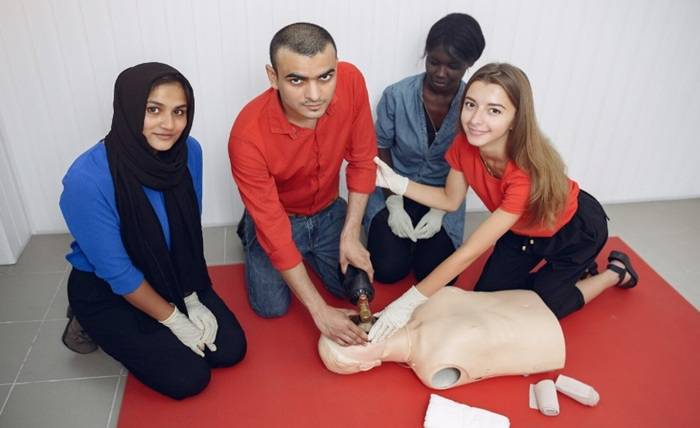
Learning how to give first aid is an important part of keeping communities safe. Most of the time, CPR is the first thing that people think of when they hear the term “first aid.” But in an emergency, mental health help is just as important. Mental Health First Aid and CPR are both very important for helping people who are in trouble, but they do different things. Understanding the difference between these two ways of doing things can help people handle a situation better.
Understanding CPR and Its Purpose
Cardiopulmonary resuscitation, or CPR, is a type of first aid that is done when someone has stopped breathing or beating their heart. It includes pressing on the chest and taking rescue breaths to keep the blood and oxygen moving until help comes. People usually do CPR when someone is having a heart attack, drowning, or choking.
The main goal of CPR is to keep the body functioning when vital systems fail. This type of first aid requires hands-on physical action and immediate response. CPR training focuses on learning correct compression techniques, breathing patterns, and emergency procedures. It is a skill that saves lives in medical emergencies where every second matters.
What Is Mental Health First Aid?
Mental Health First Aid focuses on providing early support to someone experiencing emotional distress or a mental health crisis. Unlike CPR, this approach does not involve physical procedures. Instead, it teaches how to listen, offer reassurance, recognise warning signs, and guide a person toward professional help.
Mental health crises can include panic attacks, severe anxiety, depression, trauma responses, or suicidal thoughts. Mental Health First Aid equips people with the confidence to have supportive conversations and respond calmly in difficult situations. The aim is to reduce harm, provide comfort, and encourage long-term recovery.
11379NAT Initial Response to a Mental Health Crisis
The 11379NAT Initial Response to a Mental Health Crisis course is designed to train individuals in recognising and responding to mental health emergencies. This nationally recognised program teaches practical strategies for offering immediate assistance. Participants learn how to assess risk, communicate effectively, and provide appropriate support until professional services are available.
This training emphasises empathy, active listening, and de-escalation techniques. While CPR focuses on physical survival, this course concentrates on emotional safety and psychological well-being. It empowers people to step in when someone is overwhelmed, distressed, or showing signs of mental health struggles.
Mental Health Courses Brisbane and Community Impact
Access to Mental Health Courses Brisbane has helped many individuals gain essential support skills. These courses are valuable for teachers, managers, parents, and community leaders. By learning how to recognise mental health warning signs, participants can create safer environments at work, school, and home.
Mental health training strengthens communities by reducing stigma and encouraging open conversations. Unlike CPR, which addresses immediate physical emergencies, mental health courses focus on prevention and early intervention. This proactive approach helps people seek help before situations become critical.
First Aid Mental Health Course and Skill Development
A First Aid Mental Health Course teaches practical tools to assist someone in emotional distress. Participants learn how to approach sensitive situations with care and confidence. This training includes understanding mental health conditions, crisis response techniques, and referral pathways for professional support.
While CPR requires physical practice, mental health first aid focuses on communication skills and emotional intelligence. Both forms of training build confidence, but they prepare individuals for very different types of emergencies. One addresses physical life-threatening situations, while the other supports emotional and psychological crises.
Key Differences Between Mental Health First Aid and CPR
The biggest difference between CPR and Mental Health First Aid lies in their purpose. CPR is used during medical emergencies when a person is unconscious or not breathing. Mental Health First Aid is used when someone is emotionally distressed but physically stable.
Another difference is the method of support. CPR requires physical action, while mental health first aid relies on listening, reassurance, and guidance. Both require training, quick thinking, and calm decision-making. However, they serve unique roles in first aid response.
Why Both Types of Training Matter
Learning both CPR and mental health first aid creates a well-rounded first aider. Emergencies come in many forms, and having the right skills makes a difference. Physical health emergencies need immediate medical response, while mental health crises require patience and understanding.
By combining these skills, individuals can respond effectively to a wide range of situations. Whether helping someone who has collapsed or supporting someone experiencing emotional distress, trained first aiders play a crucial role in community safety.
Conclusion
Mental Health First Aid and CPR are equally important but serve different purposes. CPR saves lives during physical emergencies, while mental health first aid supports emotional well-being during crises. Training programs like the 11379NAT course and local mental health courses help individuals develop essential support skills.
Understanding these differences allows people to respond appropriately when someone needs help. Investing in both types of training strengthens communities and ensures no one faces emergencies alone.