
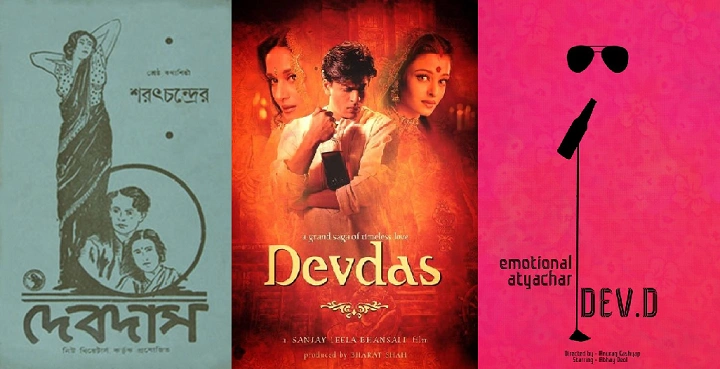
Devdas is one of the most enduring and iconic love stories in Indian literature and cinema. The tale of the tragic lover Devdas and his doomed romance with Paro (Parvati) has been retold through novels, films, and plays for over a century. But beneath the poetic beauty and emotional depth lies a question many ask: Is Devdas a real story? Did these characters truly exist, or is the story purely fictional? In this article, we explore the origins of Devdas, its author Sarat Chandra Chattopadhyay, and the real-life inspirations and social realities that gave birth to this timeless narrative.
Who Was Sarat Chandra Chattopadhyay?
Sarat Chandra Chattopadhyay (1876–1938) was a renowned Bengali novelist and short story writer known for his empathetic portrayals of social issues and human emotions. His works often dealt with the struggles of women and the constraints of traditional Indian society.
Chattopadhyay wrote Devdas in 1917, during a period when Indian society was deeply conservative, and social reform was gaining momentum. His novel quickly became popular and was translated into multiple languages, inspiring several cinematic adaptations.
The Plot of Devdas: A Brief Overview
The story centers on Devdas Mukherjee, a wealthy young man from a zamindar (landlord) family, and his childhood sweetheart Parvati “Paro,” who comes from a lower social status. Their love blossoms in youth, but due to family opposition and societal norms, they are separated.
Unable to marry Paro, Devdas descends into despair and alcoholism. He also becomes involved with Chandramukhi, a courtesan who loves him unconditionally. The story culminates in tragedy as Devdas wastes away, succumbing to his emotional turmoil and social constraints.
Is Devdas Based on a Real Person?
The short answer is no — Devdas is a work of fiction. There is no documented evidence that Devdas, Paro, or Chandramukhi were real individuals.
Inspiration Behind the Characters
- It is believed that Sarat Chandra may have drawn inspiration from people he knew or observed in his social milieu.
- The story reflects prevalent societal issues—class divisions, family honor, and the status of women—that were very real.
- The emotional struggles and social dilemmas portrayed resonate as universal human experiences rather than specific biographical accounts.
Thus, Devdas functions more as an archetype or symbol of tragic romance and social tragedy than a true story.
The Social Context of Devdas
Understanding Devdas requires appreciating the rigid social structure of early 20th-century Bengal (and wider Indian society):
- Caste and Class: Marriage across social strata was frowned upon. Paro’s lower status compared to Devdas’ aristocratic family creates the central conflict.
- Family Honor: Familial approval was paramount, often overriding personal desires.
- Women’s Status: Women like Paro and Chandramukhi faced societal judgment and limited freedom.
- Alcoholism and Emotional Repression: Devdas’ descent into alcoholism symbolizes the destructive impact of unfulfilled love and societal pressures.
Chattopadhyay’s novel critiques these social norms by portraying their tragic consequences on individual lives.
Literary Style and Themes
Devdas is noted for its poetic language and intense emotional depth. Major themes include:
- Unfulfilled Love: The pain of separation and longing dominates the narrative.
- Self-Destruction: Devdas’ tragic flaw is his inability to fight societal norms and his own weaknesses.
- Sacrifice: Both Paro and Chandramukhi represent different forms of sacrifice and love.
- Social Criticism: The novel condemns rigid social structures that stifle happiness.
The novel’s style blends realism with romantic tragedy, making it resonate across cultures and generations.
Film Adaptations and Cultural Impact
Devdas has been adapted to film numerous times, each interpretation adding unique elements but staying true to the core story.
Notable Versions Include:
- Devdas (1935): The first major film adaptation in Hindi.
- Devdas (1955): Directed by Bimal Roy, acclaimed for its realism and performances.
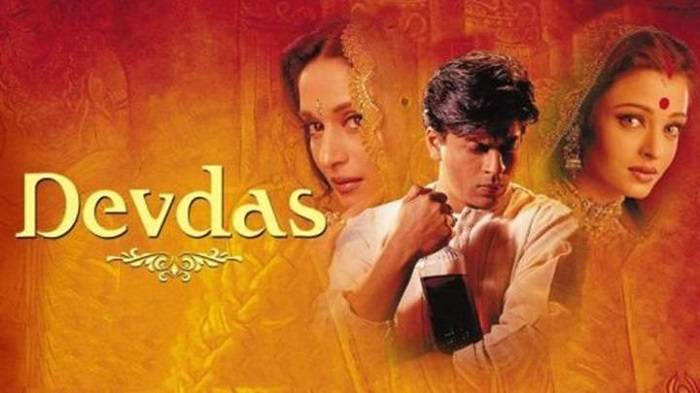
- Devdas (2002): Directed by Sanjay Leela Bhansali, a lavish, stylized retelling starring Shah Rukh Khan, Aishwarya Rai, and Madhuri Dixit.
These adaptations helped cement Devdas as a cultural icon symbolizing tragic love and societal critique.
Who Was Chandramukhi?
Chandramukhi, the courtesan who loves Devdas, is a fictional character representing unconditional love and redemption. While courtesans were real historical figures in India, Chandramukhi is a literary creation symbolizing compassion amidst societal stigma.
Her role contrasts with Paro’s restrained love, highlighting different dimensions of devotion and sacrifice.
Common Misconceptions About Devdas
- Devdas as a real biography: The novel is fiction, not a memoir or historical account.
- Devdas as just a love story: It is also a critique of social norms and emotional repression.
- Only tragic: Some view it as a story of human frailty and social injustice rather than mere melodrama.
Understanding these clarifies the novel’s richness beyond simple romance.
Frequently Asked Questions About the Real Story of Devdas
Was Devdas a real person?
No, Devdas is a fictional character created by Sarat Chandra Chattopadhyay.
Did Sarat Chandra base Devdas on someone he knew?
There are speculations but no concrete evidence linking Devdas to a specific individual.
What social issues does Devdas highlight?
Class divisions, family honor, women’s societal roles, and emotional repression.
Why is Devdas considered a tragic hero?
Because his flaws and circumstances lead to his downfall despite genuine love.
Are all film adaptations of Devdas faithful to the novel?
Most follow the novel’s core plot but differ in style, emphasis, and cultural nuances.
The real story behind Devdas lies not in factual events but in its powerful portrayal of love constrained by societal norms. Sarat Chandra Chattopadhyay’s novel transcends time and culture by exposing universal human emotions and social realities. Appreciating Devdas as a fictional yet deeply resonant story enriches our understanding of Indian literature and cinema’s enduring fascination with tragic romance.