

The epic love saga of Jodha Akbar has fascinated millions through films, TV shows, and literature, portraying a grand romance between the Mughal emperor Akbar and Rajput princess Jodha Bai. But how much of this story is rooted in history? In this article, we unravel the truth behind the legendary couple, separating historical facts from popular myths to reveal the real story of Jodha Akbar.
Who Was Emperor Akbar?
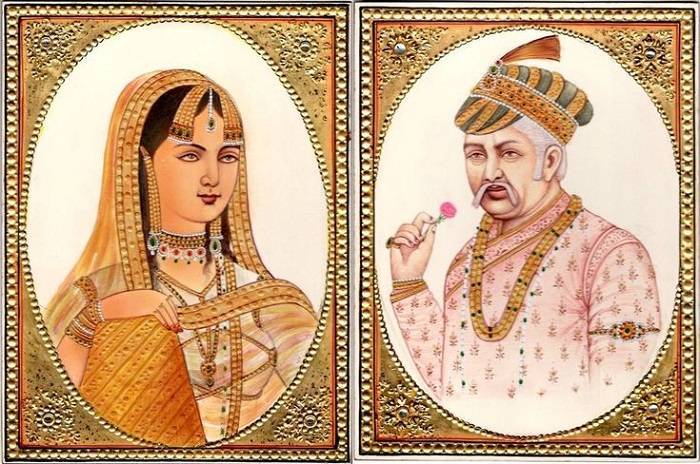
Akbar the Great (1542–1605) was the third Mughal emperor and one of India’s most celebrated rulers. Known for his military prowess, administrative reforms, and promotion of religious tolerance, Akbar significantly shaped Indian history.
His reign marked the expansion of the Mughal Empire and efforts to create harmony among his diverse subjects.
Was Jodha Bai Really Akbar’s Wife?
One of the most debated questions is whether Jodha Bai, the Rajput princess popularly portrayed as Akbar’s wife, truly existed or was a fictional character.
The Historical Evidence
- No contemporary Mughal records mention Jodha Bai by that name.
- Akbar did marry Rajput princesses, notably Harkha Bai (also called Mariam-uz-Zamani), daughter of Raja Bharmal of Amber (modern Jaipur).
- The name “Jodha Bai” appears mostly in later folklore and popular culture rather than verified historical texts.
Thus, while Akbar’s marriage to a Rajput princess is historically documented, the specific character of Jodha Bai as portrayed in popular media is largely a later romanticized invention.
The Political Alliance Behind the Marriage
Akbar’s marriage to the Rajput princess was part of a strategic political alliance aimed at consolidating his empire and fostering peace with the powerful Rajput kingdoms.
This alliance:
- Strengthened Mughal-Rajput relations.
- Allowed Rajputs to retain significant autonomy.
- Helped integrate Rajputs into the Mughal administration.
The marriage was less a romantic tale and more a political tool, though personal affection between Akbar and his Rajput queen may have existed.
What Do Historical Sources Say About Jodha Akbar’s Relationship?
Historical texts praise the respect and status given to Akbar’s Rajput wife. She was honored with the title Mariam-uz-Zamani and held considerable influence in the royal court.
Akbar’s policy of religious tolerance and cultural integration was reflected in his treatment of his Rajput queen and her people.
The Legacy of Jodha Akbar in Indian Culture
The Jodha Akbar narrative has been immortalized in art, literature, and cinema, often highlighting themes of love transcending religion and culture.
While the romanticized story differs from strict history, it symbolizes the syncretic spirit of Akbar’s reign and the blending of Hindu-Muslim cultures.
Popular Misconceptions About Jodha Akbar

- Jodha Bai as a specific historical figure: Most historians agree the name is not found in Mughal records.
- Purely romantic relationship: The marriage was primarily political, though affection is possible.
- Single Rajput wife: Akbar had multiple wives, including several Rajput princesses.
Understanding these facts helps clarify the blend of history and myth.
Frequently Asked Questions About the Real Story of Jodha Akbar
Was Jodha Bai really Akbar’s wife?
Akbar did marry a Rajput princess from Amber, but the name Jodha Bai is not confirmed in historical records.
What was the purpose of Akbar’s Rajput marriage?
It was a political alliance to strengthen the Mughal Empire and integrate Rajput kingdoms peacefully.
Did Akbar respect his Rajput queen?
Yes, she was honored and influential, reflecting Akbar’s policy of religious and cultural tolerance.
How is Jodha Akbar portrayed differently in popular culture?
Popular media romanticizes the story, emphasizing love over politics and historical complexities.
Where can I learn more about Akbar’s reign?
Historical texts like the Akbarnama and scholarly biographies provide detailed accounts of his rule.
The real story of Jodha Akbar is a fascinating mix of history and legend. While Akbar’s marriage to a Rajput princess was a political alliance that helped shape Indian history, the romanticized version of Jodha Bai adds a human and cultural dimension cherished in popular imagination. Appreciating both perspectives enriches our understanding of India’s diverse heritage.