
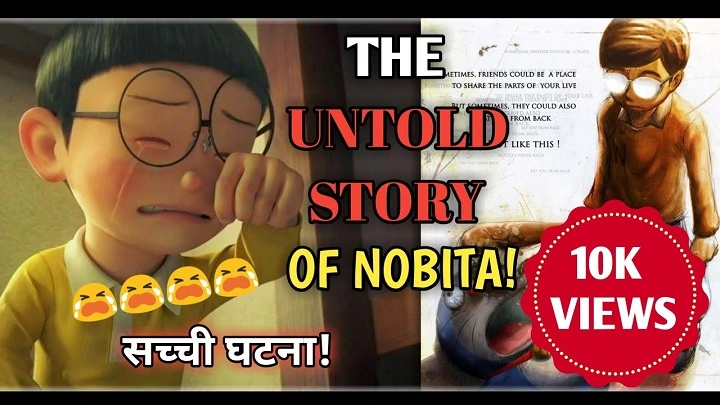
Most people know Nobita Nobi from Doraemon, a show that everyone saw growing up. He does not exist outside drawings and scripts. Not once did anyone turn a true person’s past into his adventures. His thoughts, his stumbles, even how he talks – they came from two men using one name, Fujiko F. Fujio. Yet something odd happens when fans talk about him like they knew him at school. Maybe it’s the way he fails without quitting. Or maybe seeing himself in us makes him stay.
Is Nobita Based on a Real Person?
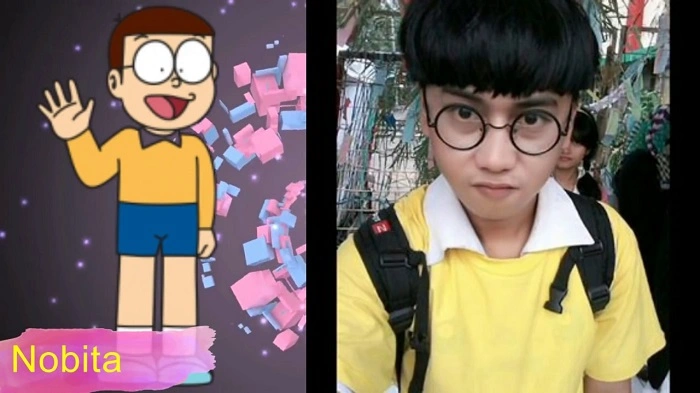
Patterns of behavior might hold the clue instead of personal history.
Kids who find it hard to focus, stay steady, or feel sure around others sometimes spot themselves in Nobita. Not due to wild trips through time or broken inventions, yet because the same stumbles happen again and again. Waking up late after ignoring the alarm is one pattern. Putting off schoolwork shows another. Missing hints in how people talk sits quietly beneath everything. None of these stand out like thunder – just small tugs that wear down each day. Experts could link such habits to trouble managing tasks, even if the story avoids labels. His makers did not hand him a diagnosis; instead, they drew routines many know well but seldom call anything more than slacking.
Why So Many People Relate to Nobita
It’s not some big win that keeps Nobita going – just tiny comebacks, again and again. Math exam? Failure. Her reaction? Sharp words. Doraemon? A quiet breath. Yet when Monday returns, so does the try. No grand turnaround ever shows up. Later, movement shows up sideways – through a small step forward, a quiet truth spoken, walking past what once pulled you in. Not fireworks. Still, these pieces pile into strength of another sort: not victory standing tall, but showing up again, then again, without fanfare.
How Nobita Reflected Japan’s Changing Society
It began in 1969 when Doraemon first appeared. At the same time, cities in Japan grew fast after the war. Life in those places became busier, more crowded. School demands climbed higher every year. Nobita then did not simply make people laugh – he showed quiet fears of never being good enough in a world obsessed with fitting in and getting ahead. Unlike classmates such as careful Shizuka, loud Gian, or sneering Suneo, Nobita slips through labels since he acts opposite to himself again and again. Some days he imagines saving people without lifting a finger. Still, his actions only serve himself, even when feeling otherwise. Praise matters much to him, yet he finds ways to ruin chances at it. Odd how that split doesn’t seem lazy storytelling – more like raw glimpses into a child’s unseen struggle, something few stories touched back then.
Technology and Doraemon’s Influence
Out of watching people came ideas. School playgrounds shaped how characters interacted, according to what those who spoke about them said. Instead of growing stronger alone, Nobita leans on machines from another time – gifts from Doraemon – that act like helpers when he feels stuck. This mirrors something larger: using tech to cover up gaps in ability. Even decades before phones claimed to fix our habits, this comic asked if inventions save us or just let us dodge growth. Hiding under an invisible cape stops now’s shame yet leaves later unchanged. Mistakes vanish when time repeats, yet need grows stronger. These tales aren’t against new ideas – instead they show hidden costs that come along. Hidden costs appear even if progress moves forward.
The Role of Nobita’s Parents
What often slips under the radar? The way grown-ups behave. Nobita’s mom and dad never scold because they enjoy it. Stress shows in their voices. Tired eyes appear. Letdown leaks through – yet warmth still sneaks in. Nobisuke, the father, sometimes talks about failing as a kid. That echo across time hints at flaws handed down like old clothes. Most times kids’ stories skip how a parent’s worry comes from old wounds, not just rules. What feels like laziness or doubt could be habits picked up long ago, carried forward without noise.
What School Represents in Doraemon
It’s unclear what school really stands for. Because teachers push memorization while chasing reputation. Visible wins matter most – test scores, awards, applause. Though Nobita struggles within it, the story stops short of calling for change. Later on, Doraemon stands not as a fix or revolt, yet more like borrowed time. Curiously enough, he’s only around for so long – the clock ticking low beneath quiet scenes. A coming void creeps into view; Nobita will stand alone when the day comes. That moment gets mentioned – never seen – hanging in air across episodes. So things pull two ways: need versus becoming.
Why Doraemon Became Popular Worldwide
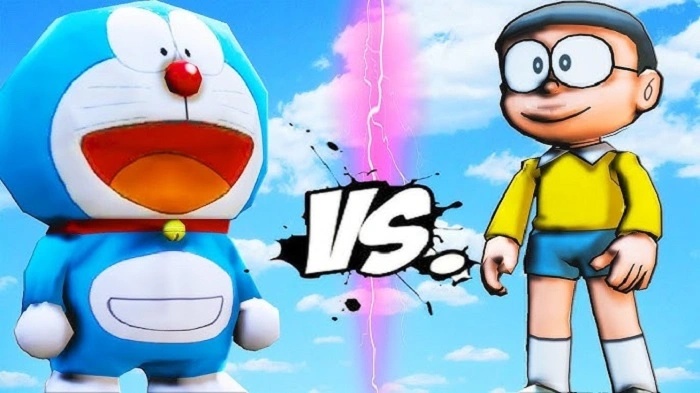
Doraemon showed up across countries on different schedules – India saw it during the eighties, while chunks of Latin America got it only by the two thousands. Adaptations now and then toned down scenes or cut bits out, yet the heart of the show stayed put. That sticking power comes from pressures familiar beyond Japan: grades weighing heavy, kids already measuring self-worth through results. He clicks where school defines who you are before you even grow into yourself.
The Truth Behind Nobita’s Character
Just because Nobita acts a certain way does not mean he copies one real kid. Instead, he pulls together moments others rarely talk about: falling behind on ideas, losing homework, shaking before speaking in front of class. Luck plays wild tricks – like grabbing prizes without trying or holding onto faith from friends for just a moment too short. What feels like success might slip tomorrow. Even defeat shifts shape by next week. Each day moves forward unevenly.
More Than Just a Fictional Character
Stories matter when change isn’t promised. Help shows up – just not always answers. Nobita stays much like he was – keeps going anyway. Maybe that stumbling kind of endurance, soft and off-rhythm, mirrors real life more than grand turnarounds ever could.
It doesn’t appear Fujiko meant to make a medical point. Probably, they just wanted stories with laughs and quiet lessons tucked inside. Even so, the figure carries a mood that lingers: what it feels like to grow up shaky, facing demands you never quite reach – but moving forward regardless.