

Manjulika is one of the most iconic horror films in Indian cinema, renowned for its spine-chilling story, eerie music, and memorable performances. Since its release, many fans have wondered: Is Manjulika a real story? This question arises because the film’s plot—centered around a vengeful spirit, haunted houses, and mysterious pasts—feels hauntingly believable.
In this article, we explore the origins of Manjulika, dissect its connections (if any) to real events, and unravel the myths and legends that may have inspired it. Within the first 100 words, we will set the stage for understanding whether Manjulika is rooted in reality or purely a work of fiction designed to thrill and scare audiences.
Overview of Manjulika: Plot and Popularity

Manjulika (2005), directed by Vikram Bhatt, is a supernatural thriller revolving around an ancient spirit named Manjulika who seeks revenge after being wronged in her lifetime. The story unfolds in a grand ancestral mansion haunted by dark secrets, with themes of love, betrayal, and supernatural retribution.
The film was a commercial success and has since become a cult classic among Indian horror fans. Its combination of suspense, drama, and horror elements has left a lasting impression on the genre.
Origins and Inspiration: Is Manjulika Based on a True Story?
Despite the film’s realistic portrayal of hauntings and possession, Manjulika is not based on a documented true story. The screenplay is inspired largely by folklore, Indian ghost stories, and cinematic influences from both Bollywood and international horror traditions.
The character of Manjulika and the haunted mansion setting draw from common themes in Indian ghost lore—vengeful spirits tied to family curses and tragic pasts. While some viewers speculate that the film was inspired by local legends, there is no verifiable historical event or real haunting linked directly to the story.
The Influence of Folklore and Popular Ghost Stories
India has a rich tradition of ghost stories and supernatural beliefs, varying across regions. Tales of spirits seeking revenge, restless souls, and haunted houses are common in folklore. Manjulika taps into these themes, reflecting collective fears and cultural narratives around death and the afterlife.
Many stories about “churails” (female ghosts) and spirits with tragic pasts exist in oral traditions, which filmmakers often adapt to create engaging horror stories. Manjulika is a cinematic embodiment of these timeless ghost tales rather than a retelling of a specific incident.
Cinematic Inspirations and Remakes
Manjulika is also a remake of the Tamil film Chandramukhi (2005), which itself is inspired by the 1917 Bengali novel Nishkriti by Bankim Chandra Chattopadhyay. This lineage indicates that the story is largely a work of fiction adapted for dramatic effect.
International horror cinema’s influence is visible too, with elements of possession, haunted mansions, and psychological thrillers woven into the narrative. The film’s creators aimed to craft an entertaining horror experience rather than document true events.
Real-Life Haunted Places and Public Fascination
Though Manjulika itself is not a true story, many real places in India are reputed to be haunted, which fuels audience interest. Mansions, forts, and old palaces across the country have ghost legends associated with them, and these stories often inspire filmmakers.
Public fascination with haunted locations and paranormal phenomena keeps such stories alive, blurring the lines between myth and reality. Manjulika taps into this cultural fascination but does not claim to be based on any particular place or event.
Psychological and Cultural Elements in Manjulika
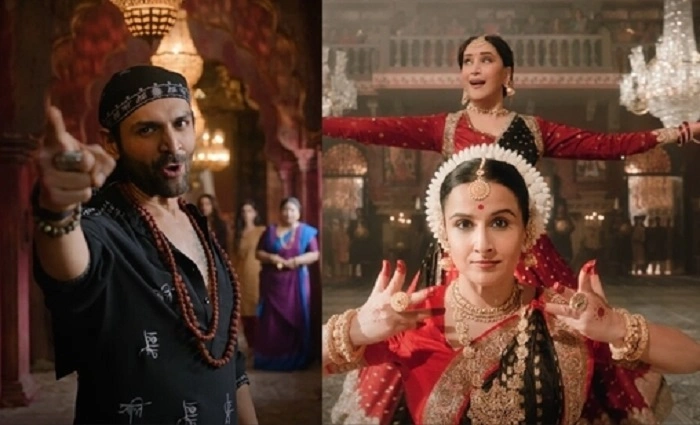
The film’s portrayal of possession and haunting reflects psychological and cultural concepts common in India. Belief in spirits and their influence on the living is prevalent in many communities, affecting how supernatural experiences are perceived.
Manjulika uses these beliefs to create tension and horror, showing how fear of the unknown and unresolved past traumas can haunt families and individuals—both literally and metaphorically.
Why Do People Believe Manjulika Might Be Real?
The effectiveness of Manjulika lies in its ability to create a believable atmosphere and emotionally charged story. Strong performances, authentic sets, and eerie music contribute to the sense of realism.
Additionally, some viewers relate the story to personal experiences or local legends, which leads to speculation about the story’s truth. The film’s blending of folklore with cinematic storytelling makes it easy for audiences to suspend disbelief.
Impact of Manjulika on Indian Horror Cinema
Manjulika revitalized the horror genre in Bollywood by combining traditional ghost story elements with modern filmmaking techniques. Its success paved the way for more supernatural thrillers and popularized the genre among Indian audiences.
While the story itself is fictional, its cultural resonance and portrayal of Indian ghost lore have had a lasting impact.
Frequently Asked Questions (FAQs) About Manjulika’s Real Story
Is Manjulika based on a true story?
No, Manjulika is a fictional story inspired by Indian folklore and earlier cinematic works, not a real-life incident.
Was Manjulika inspired by any real haunted places?
The film draws from general haunted house legends in India but is not based on any specific real location.
Is Manjulika a remake of another film?
Yes, Manjulika is a remake of the Tamil film Chandramukhi, which is itself inspired by earlier literature and folklore.
Why does Manjulika feel so realistic to viewers?
The film’s use of cultural beliefs, authentic sets, and strong storytelling creates a convincing atmosphere that blurs fiction and reality.
Did the film contribute to the popularity of Indian horror movies?
Yes, Manjulika played a significant role in popularizing the supernatural horror genre in Bollywood.
While Manjulika is not a real story, it masterfully weaves Indian folklore, cultural beliefs, and cinematic influences into a gripping horror narrative. Its power lies in tapping into universal fears and traditional ghost stories, making it a memorable and impactful film.
Understanding the fictional nature of Manjulika helps viewers appreciate it as a work of entertainment that honors India’s rich storytelling heritage, rather than as a recounting of actual supernatural events.