
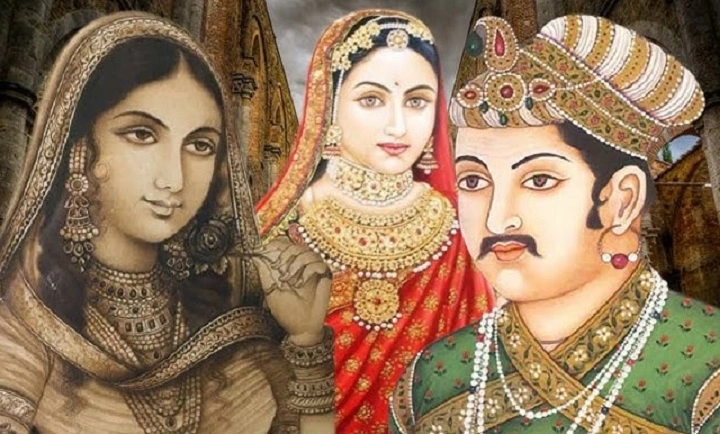
The epic saga of Jodha Akbar has been celebrated across India through films, television serials, and folklore, portraying the romantic and political alliance between Mughal Emperor Akbar and Rajput princess Jodha Bai. But how much of this tale is grounded in historical fact? This article examines the real story behind Jodha Akbar, distinguishing documented history from popular myths, and exploring the cultural significance of this legendary couple.
Who Was Emperor Akbar?

Akbar (1542–1605), known as Akbar the Great, was the third Mughal emperor and one of India’s most influential rulers. He expanded the Mughal Empire, promoted religious tolerance, and established an efficient administration. His reign marked a golden age of art, culture, and politics in Indian history.
Did Akbar Marry Jodha Bai?
One of the central questions is whether Akbar married Jodha Bai, a Rajput princess, or if she is a fictional character.
Historical Evidence
- Akbar did marry a Rajput princess, the daughter of Raja Bharmal of Amber (modern Jaipur). She was given the title Mariam-uz-Zamani.
- However, there is no direct historical record that refers to her as “Jodha Bai.” The name appears mostly in later folklore and popular culture.
- Contemporary Mughal chronicles like the Akbarnama mention the marriage but do not use the name Jodha Bai.
Thus, while Akbar’s marriage to a Rajput princess is historically verified, the specific figure of Jodha Bai as popularly known is likely a later romanticized invention.
The Political Alliance Behind the Marriage
Akbar’s marriage to the Rajput princess was a strategic alliance aimed at securing peace and loyalty between the Mughals and Rajput kingdoms. This alliance:
- Strengthened Mughal rule in northern India.
- Integrated Rajputs into the empire’s administration.
- Fostered cultural exchange between Hindu Rajputs and Muslim Mughals.
This marriage was as much a political move as a personal relationship.
Jodha Bai’s Role and Influence
The Rajput queen held a significant position in Akbar’s court:
- She bore Akbar’s heir, Jahangir.
- Was respected and honored with the title Mariam-uz-Zamani.
- Played a part in cultural integration and influenced Akbar’s policy of religious tolerance.
Her presence symbolizes the Mughal effort to unify India’s diverse peoples.
How Does Popular Culture Portray Jodha Akbar?

Movies, TV shows, and novels often depict Jodha Akbar as a grand romantic love story, emphasizing themes of interfaith harmony and personal affection. These portrayals include:
- Dramatic love scenes and emotional conflicts.
- Royal intrigues and palace politics.
- Cultural celebrations blending Hindu and Muslim traditions.
While entertaining, these narratives sometimes blur the line between history and legend.
Common Misconceptions About Jodha Akbar
- Jodha Bai as Akbar’s only Rajput wife: Akbar had multiple wives, including several Rajput princesses.
- Purely romantic marriage: The union was primarily political, though affection may have existed.
- Name “Jodha Bai” used during Akbar’s time: The term likely emerged centuries later.
Recognizing these helps clarify the historical record.
Frequently Asked Questions About the Real Story of Jodha Akbar
Was Jodha Bai really Akbar’s wife?
Akbar did marry a Rajput princess, but the historical name Jodha Bai is uncertain and appears mostly in folklore.
Why did Akbar marry a Rajput princess?
To secure political alliances and strengthen his empire through unity and peace.
What was Jodha Bai’s influence in Akbar’s court?
She was the mother of Jahangir and played a role in cultural and religious harmony.
Is the love story between Jodha and Akbar historically accurate?
The romantic aspects are largely dramatized; the marriage was a political alliance with possible personal warmth.
Where can I learn more about Akbar and his marriages?
Historical texts like the Akbarnama and scholarly biographies provide detailed information.
The real story behind Jodha Akbar reveals a complex blend of political strategy, cultural integration, and personal relationships. While the romanticized version captivates popular imagination, understanding the historical facts enriches our appreciation of this iconic chapter in Indian history. Embracing both history and legend helps preserve the cultural legacy of Akbar’s reign and his alliance with Rajput royalty.