
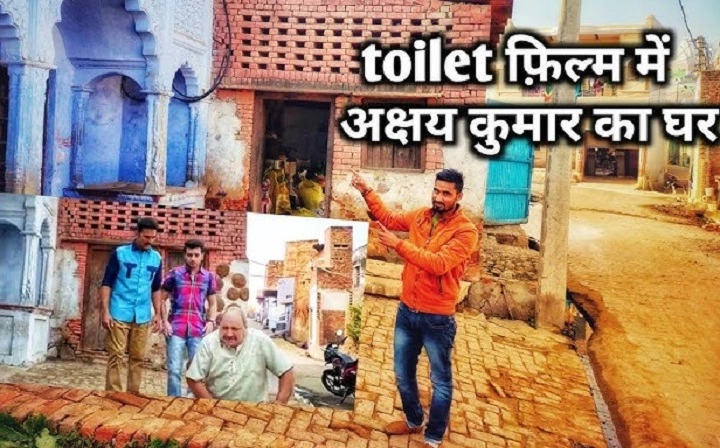
The film Toilet: Ek Prem Katha is much more than just a Bollywood romantic drama. It reflects a real social issue deeply rooted in India’s rural heartlands—the lack of sanitation facilities and the challenges surrounding open defecation. This article explores the true story that inspired Toilet: Ek Prem Katha, shedding light on the social movement, real-life heroes, and the impact that the film had on raising awareness and changing mindsets.
Within the first 100 words, we will understand how the film’s narrative is closely tied to real events and social reforms, making it a powerful example of cinema driving societal progress. The real story behind Toilet: Ek Prem Katha highlights courage, cultural transformation, and the ongoing fight for dignity and hygiene.
Background: The Sanitation Crisis in Rural India
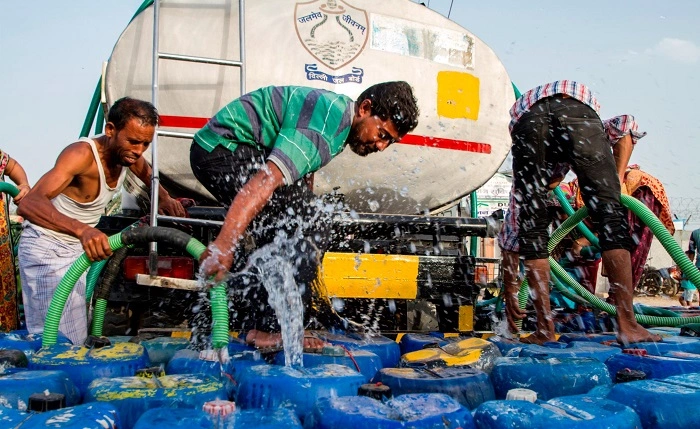
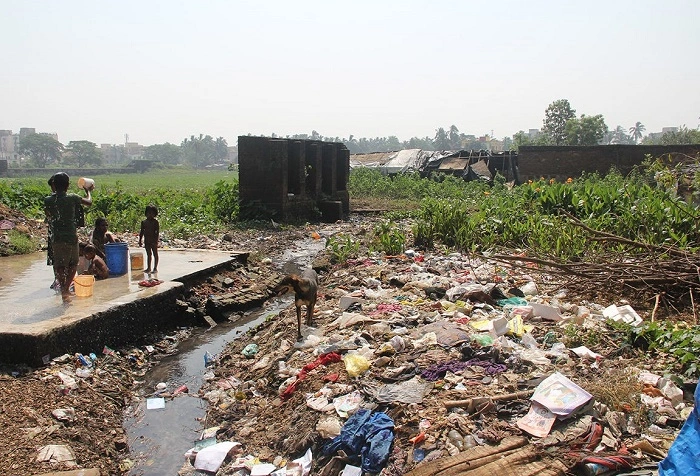
Before diving into the real story behind the film, it is important to grasp the context of sanitation in India, especially rural areas. For decades, a significant part of rural India struggled with the absence of basic toilet facilities. Open defecation was a widespread practice due to cultural taboos, lack of awareness, and infrastructural challenges.
The consequences were severe—affecting health, safety, and especially the dignity of women. Numerous social campaigns aimed to address this crisis, with one of the most notable being the Government of India’s Swachh Bharat Abhiyan (Clean India Mission) launched in 2014.
The Real-Life Inspiration: Shree Dhar and the Sanitation Movement
The story of Toilet: Ek Prem Katha draws inspiration from real people like Shree Dhar, a sanitation activist from Madhya Pradesh. Dhar is famously known as “Toilet Baba” for his relentless efforts to promote toilet construction and eradicate open defecation.
His work involved convincing villagers, especially men, to change age-old habits and embrace sanitation as a necessity. Shree Dhar’s efforts included organizing awareness campaigns, educating communities about health hazards, and helping construct toilets using local resources.
The Social Challenge: Cultural Barriers and Resistance
The real story behind the film also involves the social resistance to adopting toilets. In many villages, there was a deep-rooted belief that using toilets was unnatural or even unclean. Some feared that toilets would disrupt the environment or offend deities.
This resistance made the challenge complex—solving infrastructure was only one part; changing mindsets was another. The film beautifully portrays this conflict through its characters and narrative, showing the protagonist’s fight against societal norms.
Government Initiatives and Grassroots Movements
Toilet: Ek Prem Katha coincided with a period of strong government focus on sanitation reform. The Swachh Bharat Abhiyan pushed for the construction of millions of toilets across India.
But beyond government efforts, grassroots activists and NGOs played a critical role. The real story features countless unsung heroes working tirelessly to educate, build, and inspire communities. Their stories of perseverance, setbacks, and victories form the backbone of the film’s narrative.
Impact of the Film on Public Awareness and Social Change
The release of Toilet: Ek Prem Katha had a significant impact on public discourse. By combining entertainment with a socially relevant message, the film reached audiences who might not otherwise engage with such issues.
It sparked conversations in urban and rural settings alike, motivating individuals and communities to prioritize sanitation. Many credit the film with increasing toilet adoption rates and supporting the goals of the Swachh Bharat mission.
Key Characters and Their Real-Life Counterparts
The film’s main characters symbolize real people who championed the sanitation cause:
- Keshav (the husband) represents progressive men who challenge patriarchal norms for the betterment of their families.
- Jaya (the wife) embodies the dignity and safety concerns of women deprived of basic sanitation.
Their journey mirrors that of many couples and families who confronted stigma and hardship to bring lasting change to their homes and villages.
Continuing the Fight: What Remains to Be Done
Despite progress, the real story behind Toilet: Ek Prem Katha is ongoing. Millions still lack access to safe and hygienic toilets. The cultural transformation needed to fully eliminate open defecation requires continuous education, infrastructure investment, and community participation.
Organizations continue working with rural communities, building on the momentum created by both government programs and awareness efforts spurred by the film.
Frequently Asked Questions (FAQs) About Toilet: Ek Prem Katha’s Real Story
Is Toilet: Ek Prem Katha based on a true story?
Yes, the film is inspired by real social issues and activists like Shree Dhar who worked to end open defecation in India.
What social problem does the film highlight?
The film highlights the sanitation crisis in rural India, focusing on the lack of toilets and the dangers of open defecation.
Who was Shree Dhar and why is he important?
Shree Dhar, known as “Toilet Baba,” is a sanitation activist whose efforts to build toilets and educate villagers inspired the film’s storyline.
How did the film impact sanitation awareness in India?
It helped bring the issue into mainstream conversation, encouraging more people to support toilet construction and hygiene practices.
What is the Swachh Bharat Abhiyan?
It is a nationwide campaign launched by the Indian government to improve sanitation and eliminate open defecation.
Toilet: Ek Prem Katha is a cinematic reflection of a larger social movement aiming to improve sanitation and human dignity in India. Its real story is about courage, persistence, and cultural transformation led by activists, government initiatives, and communities themselves.
By bringing this issue to the forefront in an accessible way, the film helped accelerate progress and inspired millions to join the fight for better sanitation. The story behind Toilet: Ek Prem Katha continues to motivate change and remind us all that basic human rights like access to toilets can transform lives.