
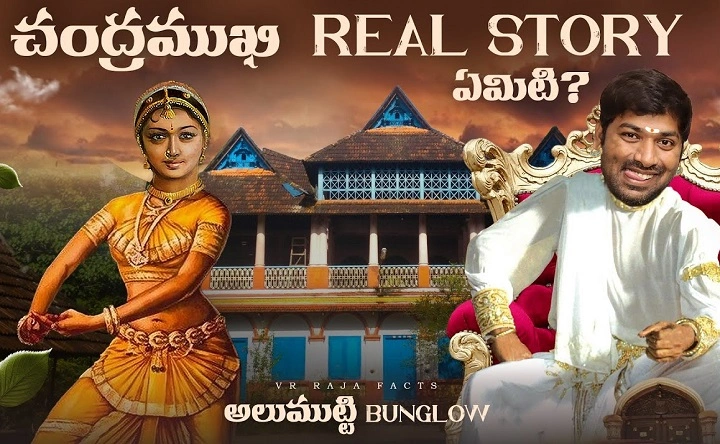
The character of Chandramukhi, popularized by films like Chandramukhi (2005), has become an iconic figure in Indian horror and drama genres. But is Chandramukhi a real person or a creation of fiction? This article explores the origins of Chandramukhi’s story, the folklore and cultural beliefs that inspired her character, and whether there is any historical basis for this haunting tale.
Who Is Chandramukhi?
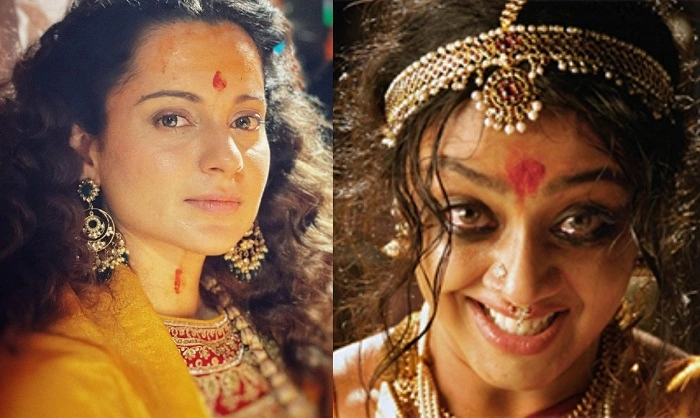
Chandramukhi is commonly portrayed as a beautiful courtesan whose spirit haunts a mansion, often driven by love, revenge, or tragedy. In the 2005 Tamil film Chandramukhi, she is a ghost possessing a woman named Ganga, linked to a past filled with love and betrayal.
The character blends elements of romance, horror, and folklore, making her one of the most memorable figures in Indian popular culture.
Is Chandramukhi a Real Person?
There is no verified historical evidence that Chandramukhi existed as an actual person. The story is largely a product of folklore, oral tradition, and artistic imagination.
Folkloric Origins
- The name Chandramukhi appears in classical Indian literature, sometimes as a courtesan or dancer, but not tied to ghost stories.
- Stories of vengeful or tragic spirits inhabiting old palaces are common in Indian folklore, particularly in regions with rich histories of royal courts and courtesans.
- The Chandramukhi tale draws heavily from such folk motifs rather than a real historical figure.
Literary and Cinematic Adaptations
- The story was popularized by Tamil and Marathi folk theater traditions.
- The Marathi play Vichitra Vanita by Rajaram Shivaji Sawant and the Kannada novel Yaksha also contributed to the narrative around Chandramukhi.
- The 2005 film Chandramukhi adapted and dramatized these stories for a mass audience.
Cultural Significance of Chandramukhi’s Story
Chandramukhi’s tale serves as:
- A reflection of societal attitudes towards courtesans and women with complex social positions.
- A metaphor for unfulfilled love and injustice.
- A popular horror motif that combines suspense with emotional drama.
Her character symbolizes both victimhood and strength within a patriarchal context.
Paranormal Beliefs and Chandramukhi
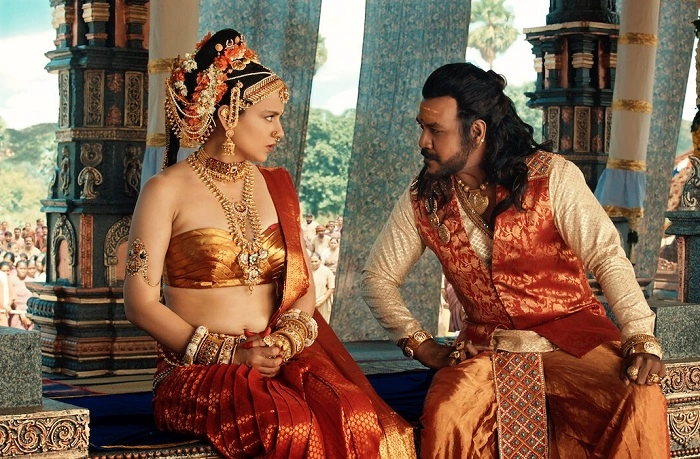
In many parts of India, ghost stories involving spirits like Chandramukhi are part of local beliefs. Tales of haunted mansions and restless souls are passed down generations, often to explain mysterious events.
While Chandramukhi is a fictional character, such stories tap into real cultural experiences and fears about the supernatural.
The Difference Between Folklore and History
Chandramukhi’s story is best understood as folklore — stories that reflect cultural values, fears, and imagination — rather than documented history. Folklore evolves with retellings and performances, often gaining supernatural elements and symbolic meanings.
This explains why Chandramukhi’s story varies across regions and adaptations.
Frequently Asked Questions About Chandramukhi’s Real Story
Was Chandramukhi a real courtesan?
No historical records confirm a courtesan named Chandramukhi linked to ghost stories; she is mainly a folkloric character.
Is the haunting in Chandramukhi’s story based on real events?
The haunting is a fictional element common in Indian ghost tales, not tied to verified occurrences.
Where did the story of Chandramukhi originate?
It emerged from regional folklore, theater, and literature, especially in Tamil and Marathi cultures.
Why is Chandramukhi’s story so popular?
Because it blends horror, romance, and drama with cultural themes of love, betrayal, and justice.
Are there places associated with Chandramukhi?
Some old palaces and mansions are linked with ghost stories resembling Chandramukhi’s tale but not definitively.
The story of Chandramukhi is a rich tapestry of myth, folklore, and artistic creation rather than a true historical account. While not a real person, Chandramukhi has become a symbol in Indian storytelling—representing the interplay of love, loss, supernatural mystery, and cultural expression. Appreciating her as a legendary figure helps us understand the power of folklore in shaping popular culture.