
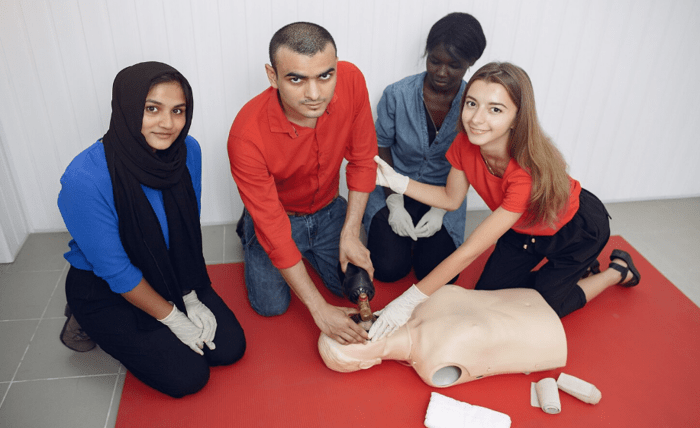
Medical emergencies can happen without warning at home, in public spaces, at schools, or in workplaces. In many situations, the actions taken during the first few minutes can make a major difference in protecting someone’s health and safety. This is one reason why more people are choosing to complete a first aid course Morphett Vale. These programs provide practical knowledge that prepares individuals to respond calmly and effectively during emergencies.
Understanding How To Assess Emergency Situations
One of the first practical skills taught during first aid training is how to assess an emergency scene safely. Many people panic during accidents because they are unsure what to do first. Training helps participants learn how to stay calm, evaluate risks, and decide on the safest course of action.
Students are taught how to check whether an area is safe before assisting an injured person. They also learn how to identify hazards such as electrical risks, fire dangers, traffic, or unstable surroundings. This structured approach helps reduce confusion during stressful situations.
A strong focus on scene assessment also improves communication skills. Participants learn how to gather important details, contact emergency services, and provide accurate information when help arrives.
Learning CPR And Life Saving Response Techniques
Cardiopulmonary resuscitation remains one of the most valuable emergency skills taught in first aid courses. CPR training gives people the ability to assist someone experiencing cardiac arrest while waiting for medical professionals.
Through guided instruction, participants practice chest compressions, rescue breathing techniques, and proper timing. Practical exercises often use manikins to simulate real emergencies, helping learners build muscle memory and confidence.
Training providers such as Fast First Aid emphasise realistic practice sessions because repetition helps individuals react faster during actual emergencies. Instead of feeling overwhelmed, trained individuals are more likely to respond with clear and organised actions.
CPR skills are useful in many environments, including homes, schools, sports facilities, offices, and public spaces. These techniques can provide critical support during the early moments of a medical emergency.
Managing Injuries And Bleeding
Another important area of training involves injury management. Participants learn how to respond to cuts, burns, fractures, sprains, and bleeding incidents using practical techniques.
The ability to control bleeding quickly can reduce complications before professional treatment becomes available. Students are taught how to apply pressure correctly, use dressings safely, and recognise when immediate medical attention is required.
Burn management is also commonly included in first aid programs. Learners discover how to cool burns safely, avoid harmful treatment mistakes, and protect injured skin from further damage.
These practical skills are especially useful for parents, workers, teachers, sports coaches, and community members who may encounter accidents in daily life.
Developing Confidence During Medical Emergencies
Confidence is one of the biggest benefits gained through practical first aid training. Many people hesitate during emergencies because they fear making mistakes. Structured learning environments help remove this uncertainty by allowing students to practice procedures step by step.
Role-playing activities and simulated emergencies create opportunities for learners to apply their knowledge in realistic situations. This hands-on approach improves decision-making and reaction times.
Confidence also grows when participants understand how emergency systems work. They become familiar with contacting emergency services, monitoring injured individuals, and assisting until professional help arrives.
For many individuals, this confidence extends beyond emergency situations and improves their overall sense of responsibility within their communities and workplaces.
Supporting Child And Family Safety
Families often benefit greatly from first aid education because children can experience accidents unexpectedly. Falls, allergic reactions, choking incidents, and burns are common situations where immediate action may be necessary.
Some training programs include childcare-focused content that teaches people how to assist infants and young children safely. Courses connected to HLTAID012 may provide practical guidance for managing emergencies involving children in education and care environments.
Parents and caregivers who complete this type of training often feel more prepared to handle unexpected situations calmly and responsibly. These skills can help create safer home and childcare environments.
Improving Workplace Readiness
First aid skills are highly valuable in professional environments. Many workplaces encourage staff members to complete training so they can respond effectively during accidents or health emergencies.
Employees who understand emergency procedures can assist coworkers while waiting for medical support. They also help promote a stronger culture of safety and preparedness within the workplace.
Industries involving physical labour, public interaction, or large teams particularly benefit from trained first aid responders. However, office settings also face medical situations such as fainting, allergic reactions, or sudden illness, where quick assistance may be needed. Practical first aid knowledge supports both personal confidence and workplace responsibility.
Conclusion
Completing a first aid course in Morphett Vale provides individuals with practical skills that can be applied in many everyday situations. From CPR and injury management to emergency assessment and childcare response, these programs help people prepare for unexpected events with greater confidence. The value of first aid training extends far beyond certification. It encourages calm thinking, safer communities, and quicker responses during emergencies. As more people recognise the importance of practical emergency skills, first aid education continues to play an important role in supporting public safety and community wellbeing.