
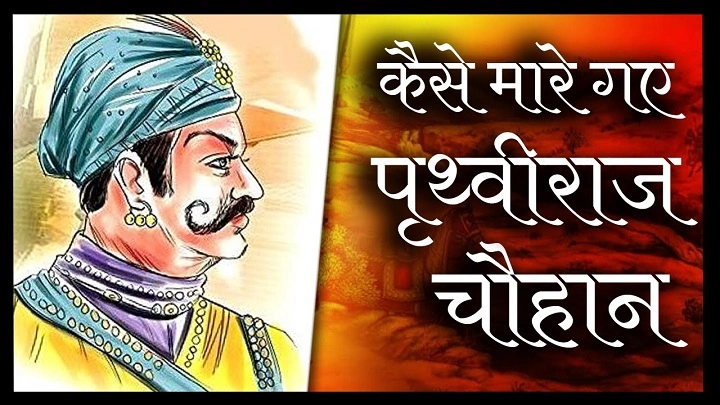
History remembers Prithviraj Chauhan like a fading voice in an old hall – haunting, half-understood. Not quite the final ruler some claim, yet positioned where tides were turning without warning. Power didn’t vanish overnight; it slipped, pulled by currents deeper than battles or crowns. Loyalty shifted, not suddenly, but grain by grain, like sand under slow waves.
Messages failed more often than swords did. His moment was narrow – a hinge between ways of ruling that barely overlapped. What collapsed wasn’t only a kingdom, but trust in how rule had once worked. Time remade the ground faster than leaders could adjust.
Prithviraj Chauhan Ruled from Ajmer, Not Delhi
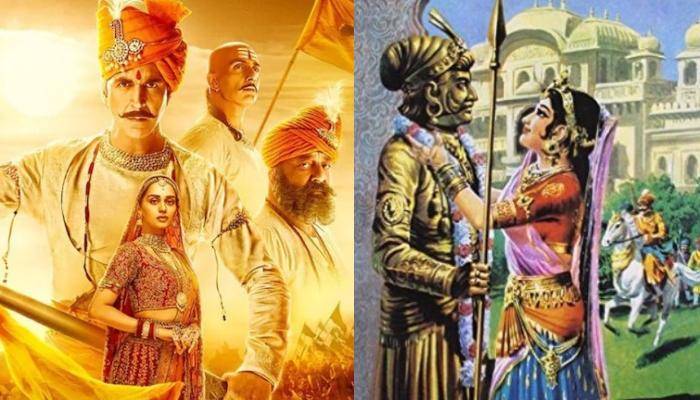
From Ajmer he ruled, not Delhi, even if most people think it was Delhi. Based in Rajasthan, his power shaped the western trade paths. Horses came through, along with salt and fighters for hire.
Still, the nearby Rajput groups stayed split, never held together long. When he wed daughters or sisters of leaders from Jammu and Kanauj, it was meant to build ties through marriage – yet those links failed during moments demanding joint resistance.
Rajput loyalty wasn’t fixed. Instead it shifted depending on what each side stood to gain, never enforced by a single authority.
The Changing Nature of Warfare
Seasonal patterns shaped ancient warfare more than often admitted. No fighting happened when rains flooded roads and fields. Food and gear arrived by taxing nearby villages instead of warehouse stockpiles.
Muhammad Ghori launched his strike in 1192 long after their first clash ended. The delay gave him time most forget to account for.
While waiting, he reshaped his army around horseback shooters. These riders fought like nomads from wide grasslands – swift, circling, hard to pin down.
Rajput leaders had little experience against such motion-heavy combat. Their usual method was straightforward: direct charges meant to break enemies head-on.
That older rhythm left openings a faster foe could exploit. Timing tilted the outcome before swords even clashed.
The Battles of Tarain
The First Battle
Battle at Tarain one? A draw, nothing more. Northward moved Ghori – maybe toward Peshawar – to gather strength again.
The Second Battle
As for faking a pullback during round two, well, nobody saw it happen. Stories say yes, but records stay quiet on tricks. Even Hasan Nizami, writing close to the time, notes plans, not lies.
It seems more certain now that Ghori stayed clear of hand-to-hand fighting, choosing instead to loosen enemy lines with arrow volleys.
When the missiles started flying, the elephants – once key to Rajput power – turned into problems, spooked and hard to control.
Communication Problems Across Northern India
Here’s something people hardly mention: the breakdown in awareness.
Across northern India, word traveled by foot messengers, through temples, also along trade routes guided by merchants. While these paths worked well for rituals or royal announcements, they stumbled when speed mattered most – like reporting enemy movements.
When tidings of Ghori’s push finally arrived in Ajmer, response efforts likely stood already behind.
One by one, the vassal chiefs needed a personal call. A few might have held back, watching who gained ground before moving.
The Legend of Prithviraj and Ghori
Later on, stories disagree.
Though Persian sources say Prithviraj was taken prisoner and put to death soon after loss, old songs such as the Prithviraj Raso tell of him slaying Ghori first in return.
This tale came much later – woven with verse and legend over time.
What sticks out isn’t the accuracy but what people choose to believe. Dates in the Raso do not line up with evidence stamped on coins or carved in stone.
Yet folks kept telling the story – over and over.
That urge to see a fight instead of surrender says more than facts ever could.
Why His Kingdom Fell
What brought him down had nothing to do with failing character.
Instead, it was the system itself that failed. Power was spread out across regions where local leaders kept tax money close to home. During emergencies, authority from the center began to fade.
The next attack by Ghori came fast, yet vital supporters – such as the king of Gwalior – failed to show up when needed, or ever.
With power split among many hands, moving quickly became a distant thought.
The Rise of Delhi After Prithviraj
Back then, power kept shifting place. Only later did Delhi grow important – after the Ghurids arrived.
Earlier, places such as Kannauj mattered more. Marriage brought Prithviraj rights to Kannauj. Still, he stayed rooted in Ajmer.
Influence right now weighed heavier than old titles. Symbolic rule took a back seat.
His Administration and Rule
Coins from his rule carry words in Sanskrit, skipping Arabic or Persian entirely.
Under these rulers, old Rajput systems seemed to keep running without bending toward wider regional trends. Even though business links with Muslim regions were active, the upper classes did not blend habits much.
Power circles held back from deeper cultural ties, sticking close to older forms.
Insight into land gifts comes from carved records showing reliance on Brahmin counselors. With temples funded, loyalty of priests was bought – yet funds were pulled elsewhere.
From another angle, Ghurid rule started blending army duties with tax oversight – a model sharpened down the line by rulers in Delhi.
Was Prithviraj Chauhan Really Defeated Because of Poor Leadership?
Could Prithviraj have lacked skill? Maybe.
Yet a bigger issue hid beneath – his power base was crumbling. War had changed, now rushing on horseback instead of marching foot soldiers.
Supplies moved far beyond old fort towns. News spread quickest not by merchant paths across land, but by war routes cutting south through Punjab.
Most people just couldn’t see those changes coming.
Back then, there was no such thing as “India” in the way we think of nations today. Loyalty belonged to family groups, local areas, religious sites instead.
When facing foreign threats, cooperation rarely lasted long enough to matter. Looking back, later movements claimed ancient solidarity across old divides – a natural urge perhaps, yet it doesn’t match what actually happened.
His rule ended at a turning point.
Not because some glorious era collapsed, yet not evidence that takeover was bound to happen. Instead, it revealed how ancient patterns began to stumble beneath forces far away: new ways of raising horses on open grasslands, altered paths of commerce, and transformations in leadership design.
What matters most shows up not through grand deeds, but in seeing how weak frameworks reveal themselves once broken.
The real story of Prithviraj Chauhan is not simply about one king losing one battle. It is about a world changing faster than its rulers could adapt, and a moment in history where old systems met new realities.